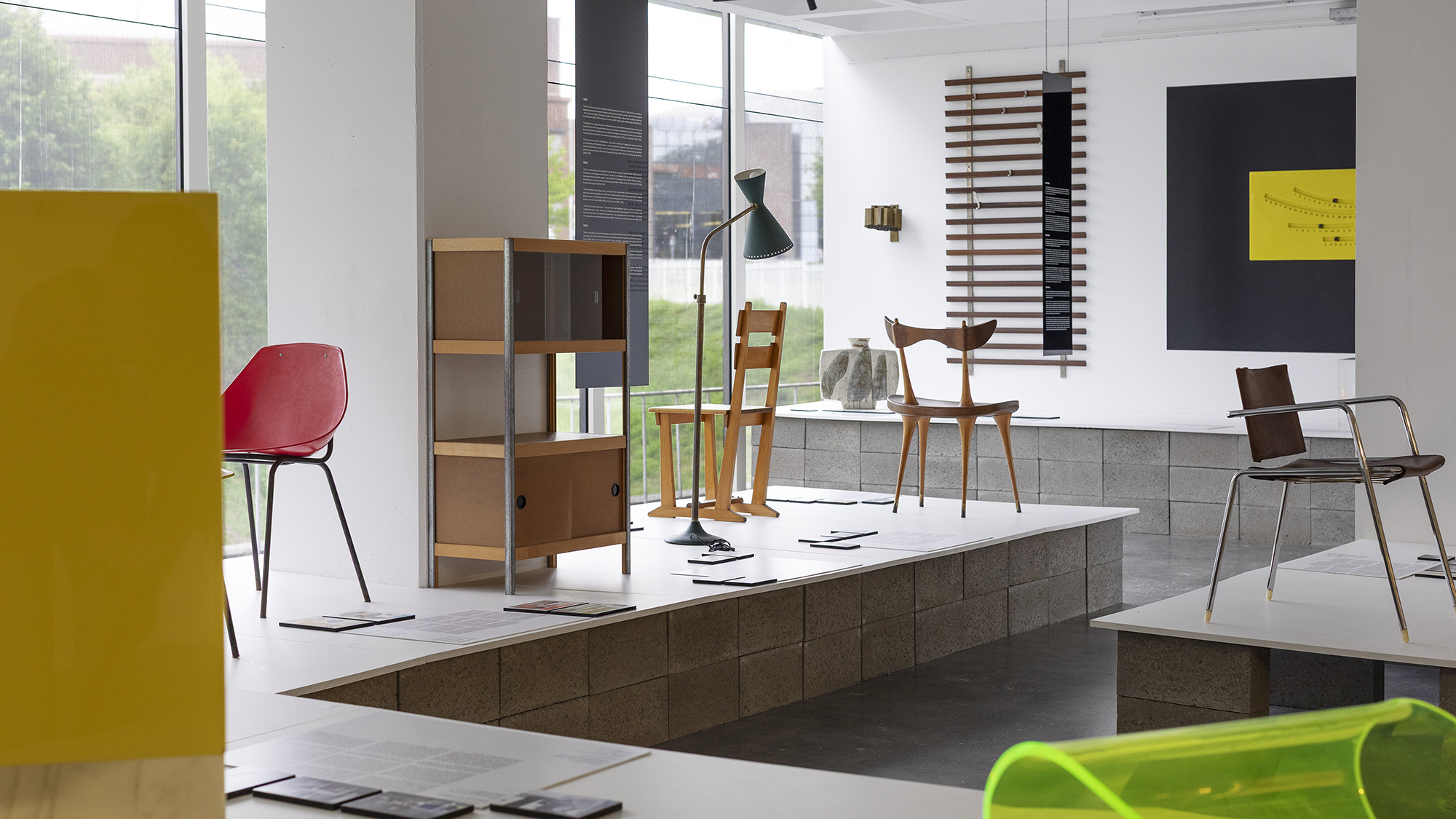
Kewlox is part of the Belgian design collection
We asked Arnaud Bozzini, Director of the Design Museum Brussels, to introduce us to his collections:
"With Belgisch Design Belge, we aim to offer an overview of what has developed here in design since the 20th century, but not merely as a chapter in art history. As a team, we primarily see design as a set of everyday objects, and we are interested in the role they have played — and continue to play — in daily life. Form, function, and ergonomics are of course essential, but the impact and recognition of an object are just as important. Kewlox is truly part of Belgium’s collective memory; it therefore could not be missing from this section of the museum."
The development of the collections, the organization of activities, and research form the three pillars on which the museum relies to bring together the history of design in our country. In addition to its two permanent displays, the Plastic Design Collection and Belgisch Design Belge, the museum also organizes temporary exhibitions. These often explore themes that highlight the intertwining of design with everyday life. Comic books or skateboards, women in design, or children’s furniture: these sometimes unexpected angles show that design is not about luxury, status, or expensive materials, but is above all intended to bring usability, efficiency, and beauty into ordinary life.
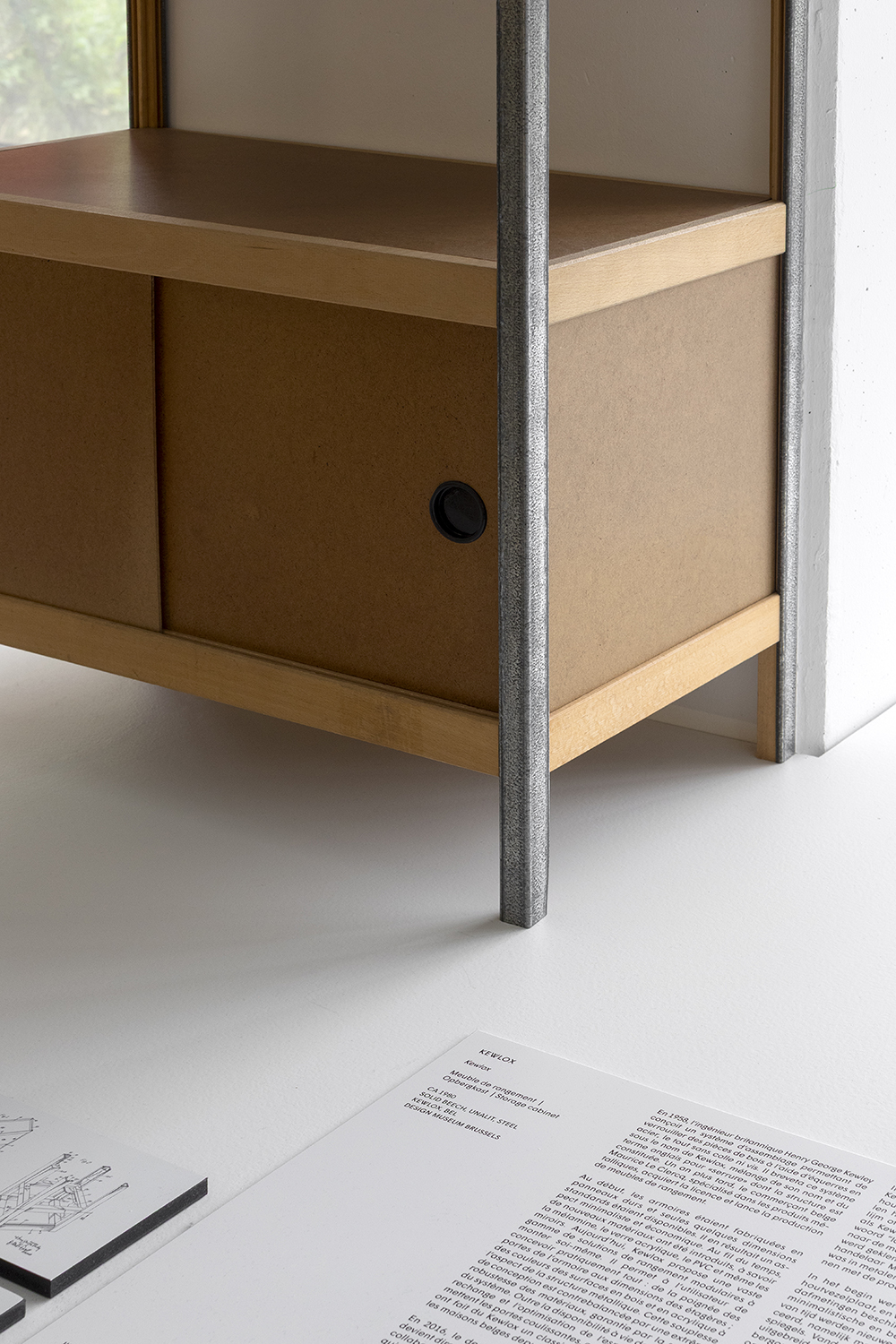
The museum also aims to highlight the economic, social, and technological role of design. It is therefore not only about aesthetic or functional objects, but also about the societal changes that made them possible.
"We want to show our visitors, in an accessible way, the societal role of design," explains Bozzini. "Design does not exist in a vacuum. It is the result of transformations within society, technology, production systems, and ways of life."
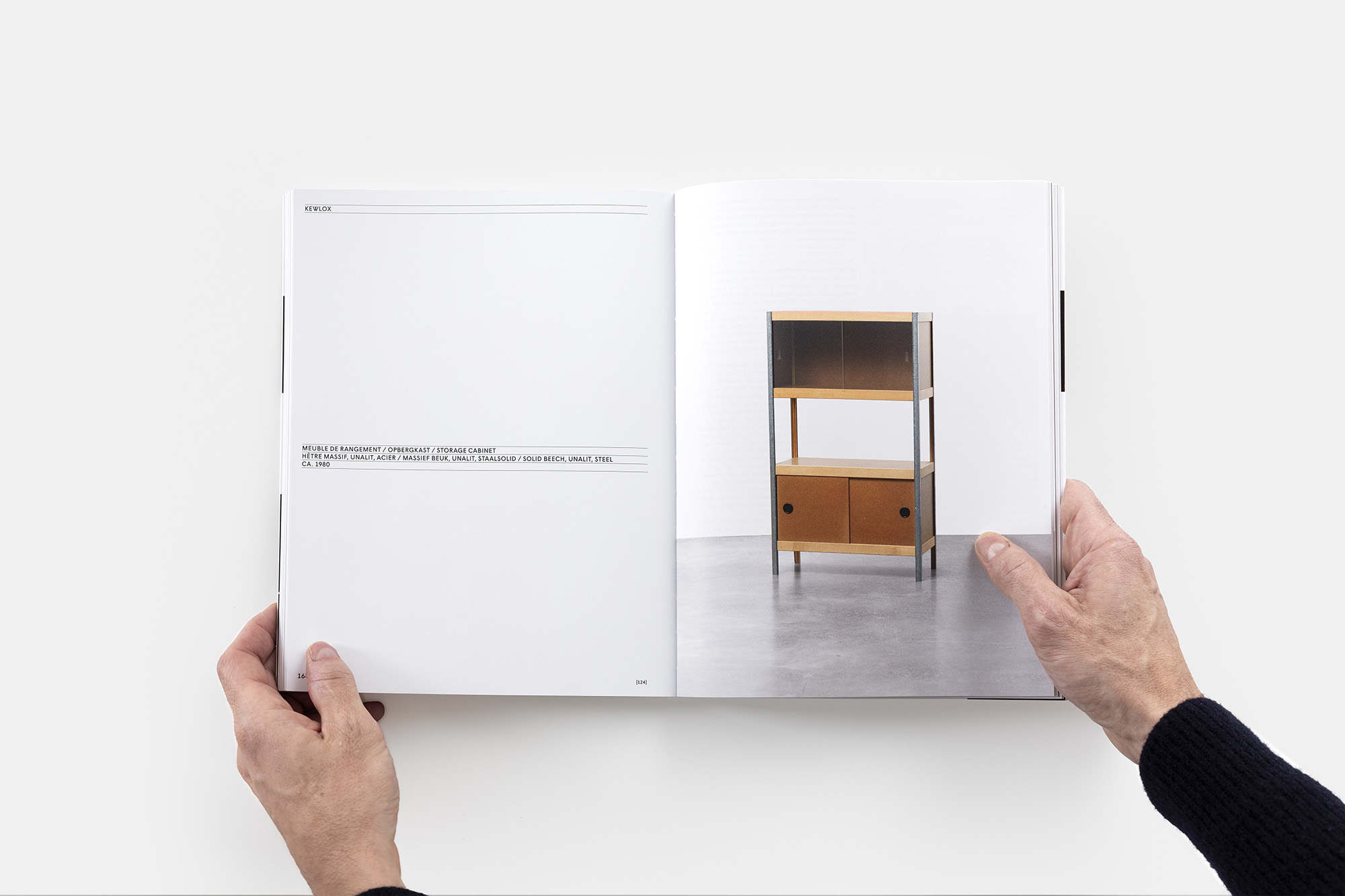
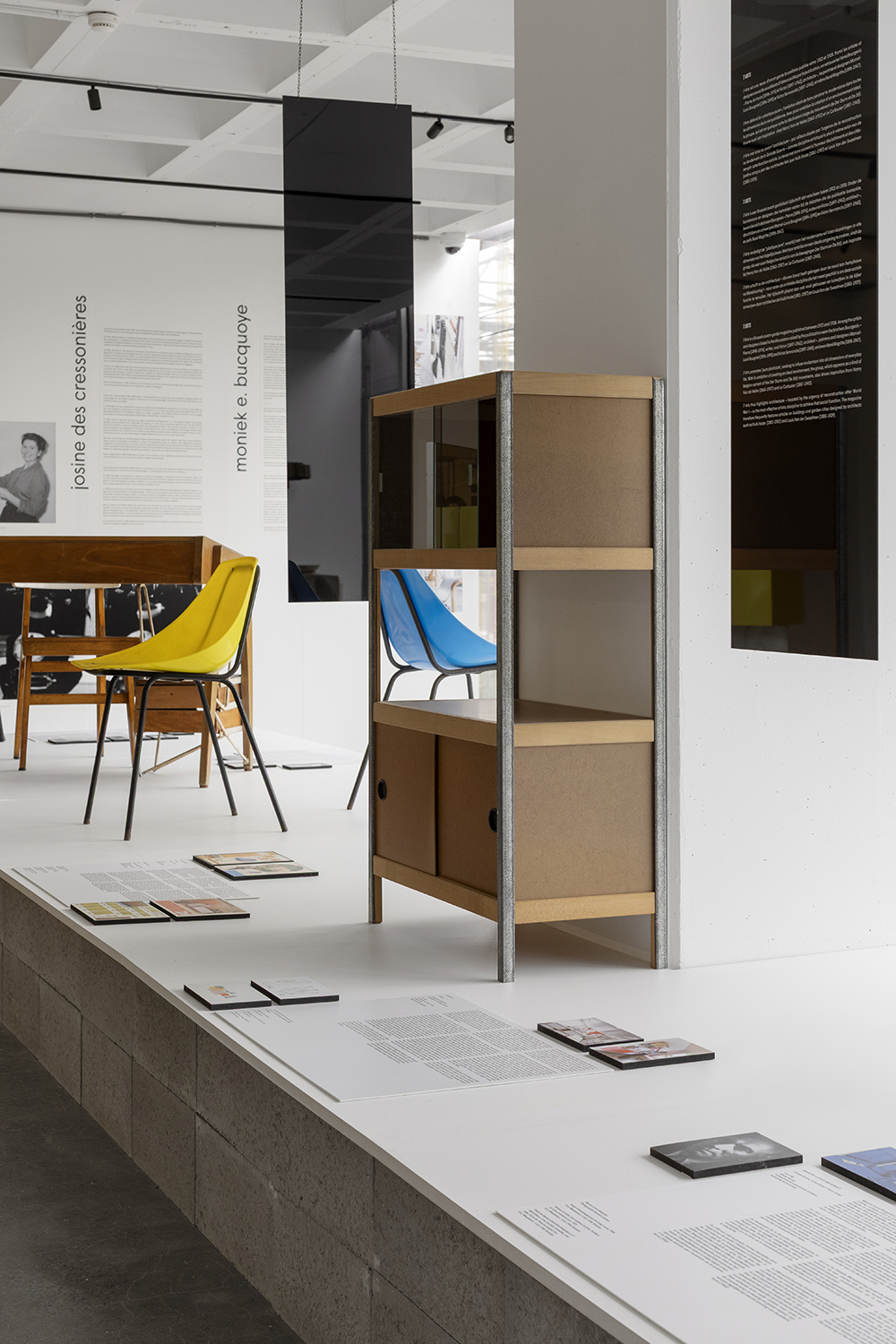
"It is essential for us to move away from the idea of design being seen as special or elitist. Above all, it is about people—and the way they use objects. A furniture brand that, thanks to an ingenious yet simple system, has found its place in so many living rooms, garages, and offices across our country speaks volumes about our industrial past, as well as about the way we live—both yesterday and today."
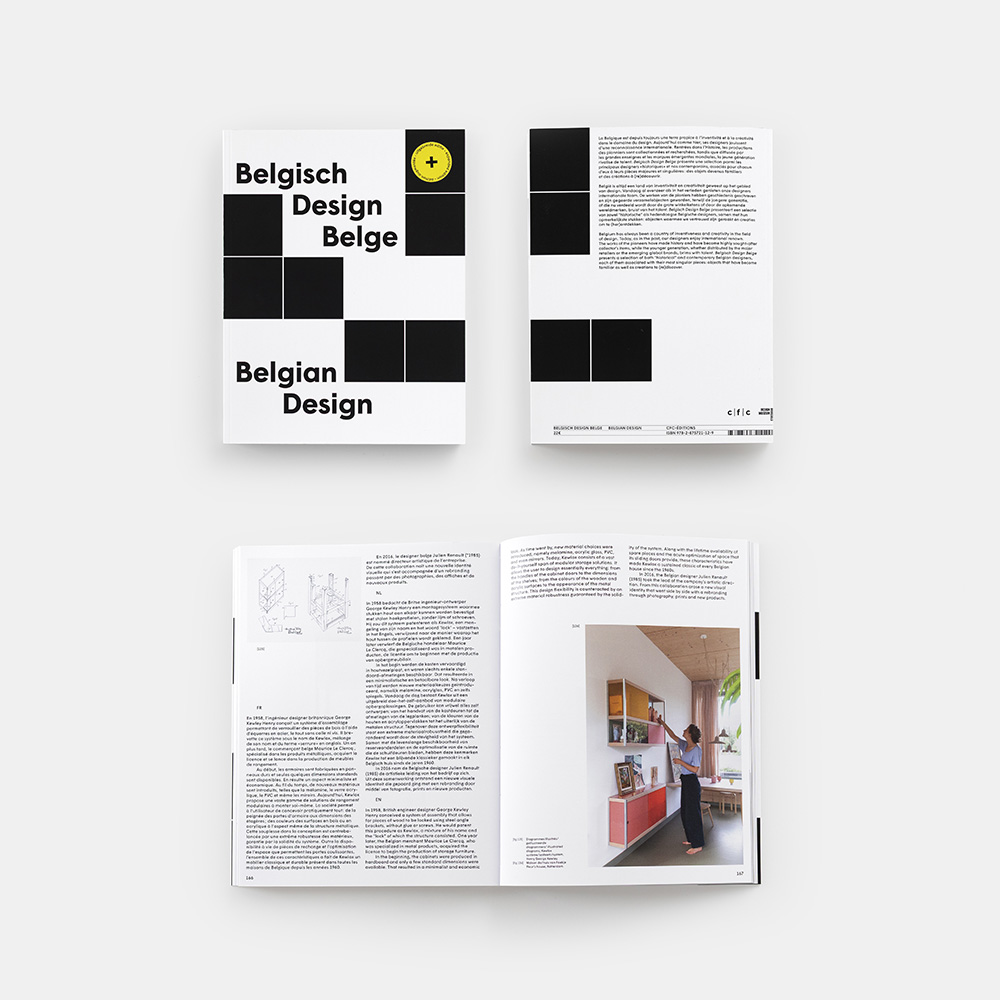
Less visible, but equally important, is the work carried out behind the scenes, which also deserves to be highlighted. Research, restoration, and conservation are fully part of the museum’s mission.
"All donations and archives that reach us are examined rigorously—not only from an aesthetic perspective, but also in terms of their history, context, and production process. Thanks to our Plastic Design Collection, which was the origin of the museum, we have developed deep expertise in this area. It is a fine example of how technological evolution has opened up new possibilities, while also inviting us today to reflect on its impact on our lives and on the world."
Arnaud Bozzini
Director at Design Museum Brussels
Design Museum Brussels
Brussels, Place de Belgique - 1020 Brussels
The museum is open every day from 11 am to 7 pm